
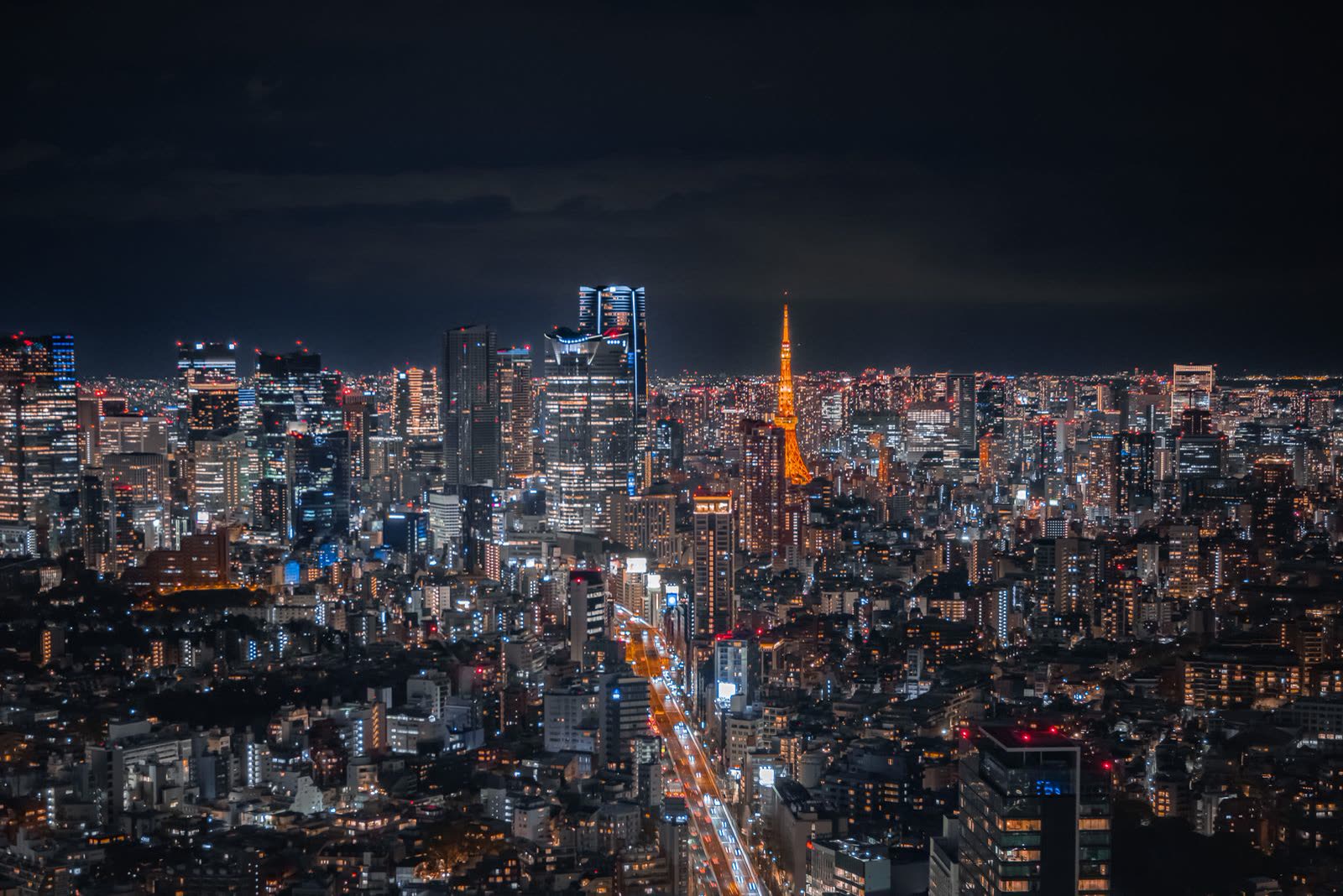
There is a particular kind of exhaustion that comes from doing a city properly, in the checklist sense: five museums, three churches, a market, a viewpoint, a day trip, all compressed into a week that ends with a stack of photographs and very little memory of how any of it actually felt. The alternative is not to see less out of laziness, but to see less on purpose, and to give what remains room to breathe. Three or four nights, chosen well, tend to outlast a week chosen badly.
Choose the version of the city you want
Most great cities are really several cities layered on top of one another, and the first useful decision is which layer you are actually there for. Rome can be the old-world city of layered antiquity and quiet cloisters, or it can be the city of aperitivo terraces and late dinners, and trying to have both in equal measure in four days usually means having neither properly. Lisbon can be pursued as a waterfront city, built around the river and its light, or as a hillside one, built around trams and viewpoints. Naming the version you want before you arrive changes which neighbourhood you stay in, which restaurants make sense, and which sights earn a place on the short list rather than the long one.
The case for shoulder season
Spring and autumn tend to give a city back its own rhythm. Summer in southern Europe often means heat that shortens the useful part of the day and crowds that lengthen every queue, while a city in April or October, or its equivalent shoulder months elsewhere, tends to run at something closer to its actual pace: outdoor tables still available without a wait, museums still open at reasonable hours, locals still visibly living their own lives rather than working around visitors. It is rarely the single obvious month that makes the difference so much as avoiding the two or three peak weeks either side of it.
One serious sight a day
A city break improves in direct proportion to how few things it insists on. One significant sight each morning, approached early and unhurried, followed by an afternoon with no fixed plan beyond a neighbourhood to wander and somewhere good to eat, tends to produce a far richer sense of a place than four sights squeezed into the same day. The extra hours saved by not rushing to a second and third attraction are rarely wasted; they are usually where the best unplanned moment of the trip turns up.
A city break improves in direct proportion to how few things it insists on.
Timing the great museums and temples
The instinct to arrive whenever the flight lands and see the famous room whenever it suits the day is understandable and almost always wrong. At the Louvre, arriving for the earliest timed slot buys perhaps ninety minutes of genuinely open galleries before the main wave of tour groups arrives mid-morning; the worst hours are the middle of the day, and on the two evenings a week the museum stays open late, the crowds thin out considerably after early evening. At the Vatican Museums, the equivalent trick is entering before eight in the morning, or returning in the early afternoon once the first wave has passed through; Mondays are worth avoiding altogether, since most other Roman museums are closed and the overflow lands squarely on the Vatican, and Wednesdays draw their own crowds for the papal audience nearby.
Angkor Wat offers the same lesson in a completely different climate. Most visitors converge on the temple at dawn for its famous silhouette against the sunrise, which means the single most crowded moment of the whole complex is also the one everybody assumes is compulsory. A quieter order works better: watch the sunrise from one of the smaller temples nearby, then arrive at Angkor Wat itself once the dawn crowd has drifted off for breakfast, since the galleries and the climb to the upper level empty out noticeably by around half past seven. The wider park also rewards looking past its most famous temple altogether; Preah Khan, Ta Som and Banteay Kdei sit within the same complex and see a fraction of the visitors even during the busiest months, which run roughly from November to February.
The principle behind all three examples travels well to almost any major museum or temple complex anywhere in the world: the building opens at the same time every day, but the crowd does not arrive at the same time every day, and the gap between those two facts is usually where a calm, unhurried visit is hiding.
Ready to turn reading into travelling?
Begin an enquiry